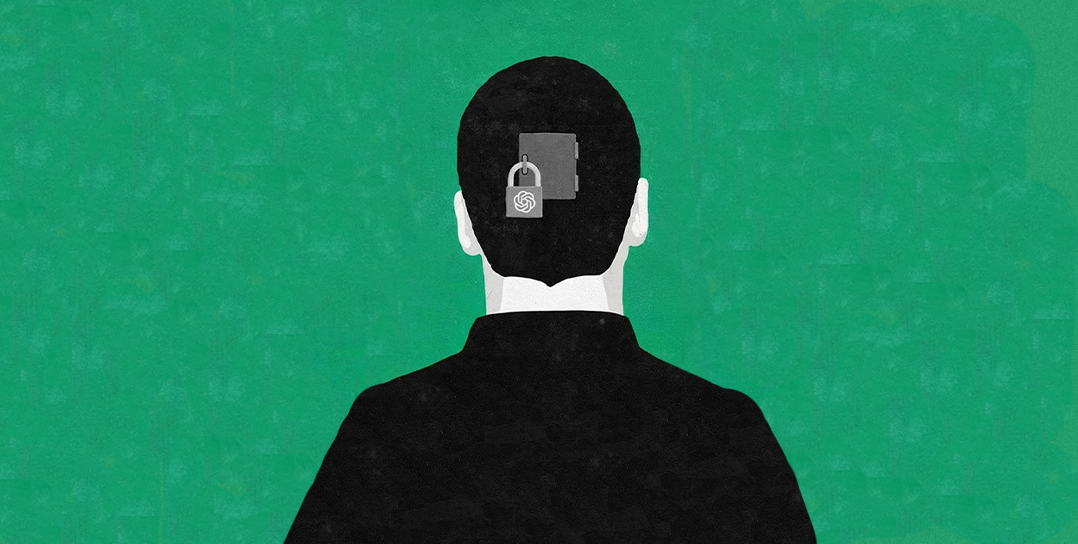
Illustration of the sacred interface and the impact of AI ads on user trust.

The sacred interface: Why AI ads feel like betrayal.

Illustration of the sacred interface and the impact of AI ads on user trust.

The sacred interface: Why AI ads feel like betrayal.

We have accepted advertisements in our newsfeeds, our search results, and even our taxi rides. We have made a pact with the devil of the internet: I give you my attention; you give me the content.

But Artificial Intelligence—and the rise of AI ads—feels different.

When we type into a search bar, we are shouting into a public square. When we talk to Claude or ChatGPT, we are whispering in a confessional. We use words like “I” and “me”. We share half-formed thoughts, anxieties, and draft emails we are too afraid to send. It is an intimate, cognitive loop.

And that is why the prospect of an ad popping up in the middle of that conversation feels less like marketing and more like a violation.


The Super Bowl Meta-Move

Anthropic recently pulled off a brilliant piece of strategic theatre. They bought a Super Bowl spot (the ultimate temple of advertising) to effectively mock the advertising industry.

It was a high-stakes meta-move. By positioning themselves against the “ad-interrupted life,” they identified a powerful Common Enemy. Humans are tired of being the product. We are tired of the constant cognitive load of being sold to.

Anthropic is betting on a simple, radical premise: Empathy for the user’s attention span is a competitive advantage.


The Intimacy Paradox

This brings us to the Intimacy Paradox. The more we trust an AI with our raw, unfiltered thoughts, the more violated we feel when it uses those thoughts to pivot into a pitch.


    • If I ask Google for “best running shoes,” I expect ads. That is the deal.

    • If I tell an AI, “I feel sluggish and unmotivated today,” and it suggests a brand of energy drink, the trust is broken immediately.


OpenAI argues that ads equal accessibility—that they democratise the technology. While noble on paper, this turns the AI from a tool into a marketplace. It breaks the “flow state.”

If users feel they are being surveilled in the chat window, their behaviour will change. We will start “hiding” our true intentions. We will sanitise our prompts to avoid being targeted. The moment the user has to lie to the AI to avoid a sales pitch, the utility of the tool collapses.


The Mightnitude Imperative

At Mightnitude, we believe that scale should never come at the cost of the user’s flow.

We are entering an era where Privacy is the new Premium.

Branding is no longer about being everywhere; it is about being on the user’s side.


    • Respect the Sacred Space: We advise clients against intruding into intimate cognitive spaces. Do not try to insert a banner ad into a therapy session.

    • Value over Interruptions: Real marketing isn’t about tricking a segmented audience into clicking; it is about providing value that is so good, people would actually pay for it.

    • The Trust Economy: In an AI world, the brands that win will be the ones that refuse to sell their users out.


The Bottom Line

We are not ready for AI to sell us socks while we are trying to write a novel.

The interface of the future is conversational, and conversation requires trust. If you break that trust for a cheap impression, you haven’t just lost a sale. You have lost the future.

Real influence doesn’t need to interrupt. It waits until it is asked for.

Worried about how your brand appears in the AI era? Contact Mightnitude to build a privacy-first strategy.

We have accepted advertisements in our newsfeeds, our search results, and even our taxi rides. We have made a pact with the devil of the internet: I give you my attention; you give me the content.

But Artificial Intelligence—and the rise of AI ads—feels different.

When we type into a search bar, we are shouting into a public square. When we talk to Claude or ChatGPT, we are whispering in a confessional. We use words like “I” and “me”. We share half-formed thoughts, anxieties, and draft emails we are too afraid to send. It is an intimate, cognitive loop.

And that is why the prospect of an ad popping up in the middle of that conversation feels less like marketing and more like a violation.


The Super Bowl Meta-Move

Anthropic recently pulled off a brilliant piece of strategic theatre. They bought a Super Bowl spot (the ultimate temple of advertising) to effectively mock the advertising industry.

It was a high-stakes meta-move. By positioning themselves against the “ad-interrupted life,” they identified a powerful Common Enemy. Humans are tired of being the product. We are tired of the constant cognitive load of being sold to.

Anthropic is betting on a simple, radical premise: Empathy for the user’s attention span is a competitive advantage.


The Intimacy Paradox

This brings us to the Intimacy Paradox. The more we trust an AI with our raw, unfiltered thoughts, the more violated we feel when it uses those thoughts to pivot into a pitch.


    • If I ask Google for “best running shoes,” I expect ads. That is the deal.

    • If I tell an AI, “I feel sluggish and unmotivated today,” and it suggests a brand of energy drink, the trust is broken immediately.


OpenAI argues that ads equal accessibility—that they democratise the technology. While noble on paper, this turns the AI from a tool into a marketplace. It breaks the “flow state.”

If users feel they are being surveilled in the chat window, their behaviour will change. We will start “hiding” our true intentions. We will sanitise our prompts to avoid being targeted. The moment the user has to lie to the AI to avoid a sales pitch, the utility of the tool collapses.


The Mightnitude Imperative

At Mightnitude, we believe that scale should never come at the cost of the user’s flow.

We are entering an era where Privacy is the new Premium.

Branding is no longer about being everywhere; it is about being on the user’s side.


    • Respect the Sacred Space: We advise clients against intruding into intimate cognitive spaces. Do not try to insert a banner ad into a therapy session.

    • Value over Interruptions: Real marketing isn’t about tricking a segmented audience into clicking; it is about providing value that is so good, people would actually pay for it.

    • The Trust Economy: In an AI world, the brands that win will be the ones that refuse to sell their users out.


The Bottom Line

We are not ready for AI to sell us socks while we are trying to write a novel.

The interface of the future is conversational, and conversation requires trust. If you break that trust for a cheap impression, you haven’t just lost a sale. You have lost the future.

Real influence doesn’t need to interrupt. It waits until it is asked for.

Worried about how your brand appears in the AI era? Contact Mightnitude to build a privacy-first strategy.

Our skeptical lens. We cut through the hype of ‘the next big thing’ like AI, Web3, the Metaverse and pivot every technological discussion back to the fundamental truth: human behavior.

Want to go deeper? Explore more articles from this category and keep expanding your perspective.

Our skeptical lens. We cut through the hype of ‘the next big thing’ like AI, Web3, the Metaverse and pivot every technological discussion back to the fundamental truth: human behavior.

Want to go deeper? Explore more articles from this category and keep expanding your perspective.

Don’t wait to transform your brand.

Book a call now and let’s collaborate to create something extraordinary. Start your journey to success with Mightnitude by your side.