
We have a fetish for alignment.
Walk into any boardroom in Sydney, Melbourne, or New York, and you’ll see the same tired theatre playing out. A strategist presents a creative brief. The marketing director nods. The brand manager nods. The CEO smiles benevolently. Everyone agrees. It feels safe. It feels like progress.
It is, in fact, a disaster. This lack of friction means you have failed to identify the necessary creative strategy tension.
If everyone in the room instantly agrees with your creative brief, you haven’t written a strategy. You’ve written a platitude. You have successfully identified the path of least resistance, which, ironically, is also the path of least attention.
We have this bizarre idea that the goal of strategy is to iron out the wrinkles. We want a smooth surface. But smooth surfaces are slippery; ideas slide right off them.
The Necessity of Friction in Creative Strategy.
Think about the last piece of art, film, or even advertising that actually made you feel something. Was it safe? Did it feel like a committee approved it?
Probably not.
Human beings are not drawn to balance. We are drawn to tension. We look at a car crash, not the traffic flowing smoothly. We watch the romance with the impossible obstacle, not the couple who gets along perfectly from day one.
Great brands are built on paradoxes, not single-minded propositions.
- Volvo is safe and sexy (the tension of modern design versus protection).
- Nike is for the elite athlete and the couch potato (the tension of aspiration versus reality).
- Apple is mass market and exclusive club.
The real failure, however, isn’t just avoiding tension; it’s misplacing it.
Agencies spend all their energy fighting for internal buy-in (getting the CMO, the legal team, and the procurement officer to smile). But that internal tension is a distraction. The only tension that creates value is the one that exists between your client’s product and their customer’s messy reality. We are paid to look outward, not inward. Stop trying to please the people who sign the cheques with comfortable strategy; start trying to solve the real, often uncomfortable, conflicts facing the person actually using the product. That is the only place TrueValue Growth™ ever appears.
When we strip a brief of its inherent conflict to make it “palatable” for stakeholders, we remove the hook. We hand the creative team a wet sponge and ask them to break a window with it.
The “TrueValue” of a Good Fight
This is where the real creativity kicks in. We spend too much time trying to build a 5-year vision that pleases everyone, and not enough time finding the grit that matters today.
At Mightnitude, we talk about creatives as “droplets” that capture the ocean of the brand. But here’s the physics lesson most agencies miss: A droplet only holds its shape because of surface tension.
Without tension, you don’t have a droplet. You have a puddle.
We don’t believe in “Growth Hacking” our way around a boring proposition. We believe in finding the uncomfortable truth about your product or market and leaning into it, not polishing it away.
- Is your product expensive? Good. That’s tension. Make it about worth.
- Is your product complicated? Fine. That’s tension. Make it about mastery.
Is your brand old? Great. That’s tension. Make it about wisdom in a world of ephemeral nonsense.
Tension-Based Workshop Questions (Focus: The User) 💡
If you want to find the real friction (the stuff that moves the needle), you must ignore the corporate hierarchy and focus relentlessly on the customer. These questions are designed to bypass internal approval politics and force the client to confront the user’s reality.
1. Identifying the Inherited Market Friction and Un-Met Needs
What is the single most frustrating task customers are forced to do just before they buy or use our product? (This uncovers the inherited market friction we must solve.)
2. Exposing the Competitor’s Secret: Contradictory Brand Truths
Which competitor is our best customer currently leaving us for, and what contradictory, simple truth does that competitor offer them that we refuse to acknowledge?
3. Bridging the Aspiration Gap: Aligning Positioning with User Reality
What is the main thing our most loyal customer believes that is in direct contradiction to what our company’s marketing says we are? (Uncovering the Brand Lie versus User Truth.)
4. Overcoming the Internal Buy-In Barrier to Strategic Change
If our product vanished tomorrow, what specific, non-marketing problem would our users immediately face? (We need to define our value by the pain of absence, not the joy of possession.)
5. Solving the Belief Gap: The Disconnect Between Claimed and Actual Behavior
Where does the customer’s aspiration (their desired, perfect outcome) clash most violently with the reality of our product experience today?
The Bottom Line
Next time you’re in a strategy session, look around the room. If everyone is nodding, stop. You’ve gone too shallow.
Throw a rock. Create a ripple. Find the tension.
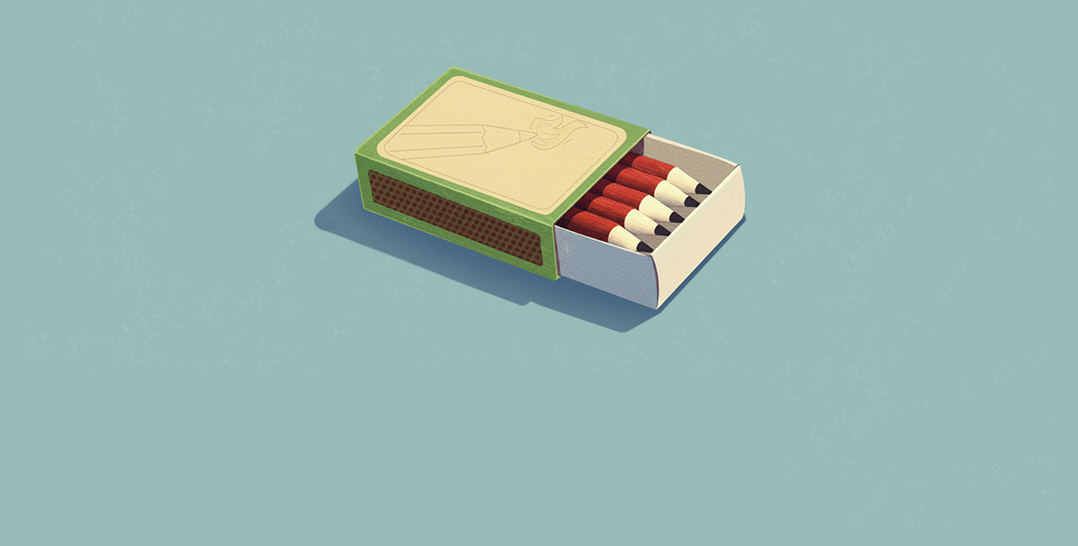
Consensus is comfortable, but friction is where the fire starts.